


Project
アーティゾン美術館 Artizon Museum

| コンサルティングカテゴリー Consulting Category | ファサードコンサルティング Facade Consulting |
|---|---|
| 施主 Owner | 公益財団法人石橋財団アーティゾン美術館 Artizon Museum, Ishibashi Foundation |
| 設計 Architect Office | 株式会社 日建設計 NIKKENN SEKKEI LTD |
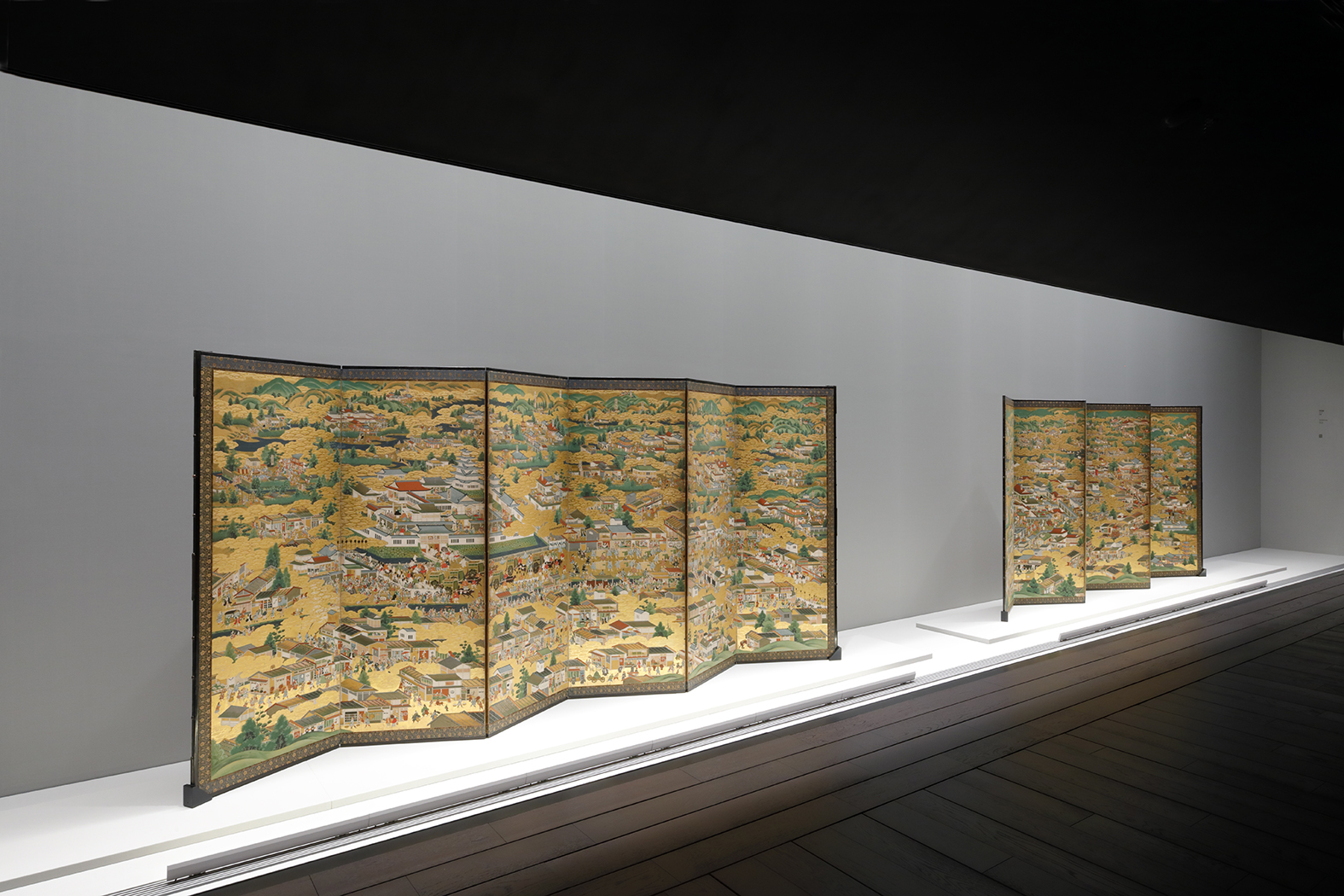
国内最大の一枚物展示スクリーン(15.236Mx2.664M:含むフレーム)の解析と施工及び外部ガラスサインシステムについてコンサルさせて頂きました。
高透過t8MM+SGP1.52MM+高透過t8MMを上部フレームに構造シール(工場)で接着し両端部縦フレームを吊り上げるバランスウエイトと上部フレーム中間部を引き上げる開閉装置とのバランスを取りながらストラクチャーシールを含むガラスの支持システムを解析しました。
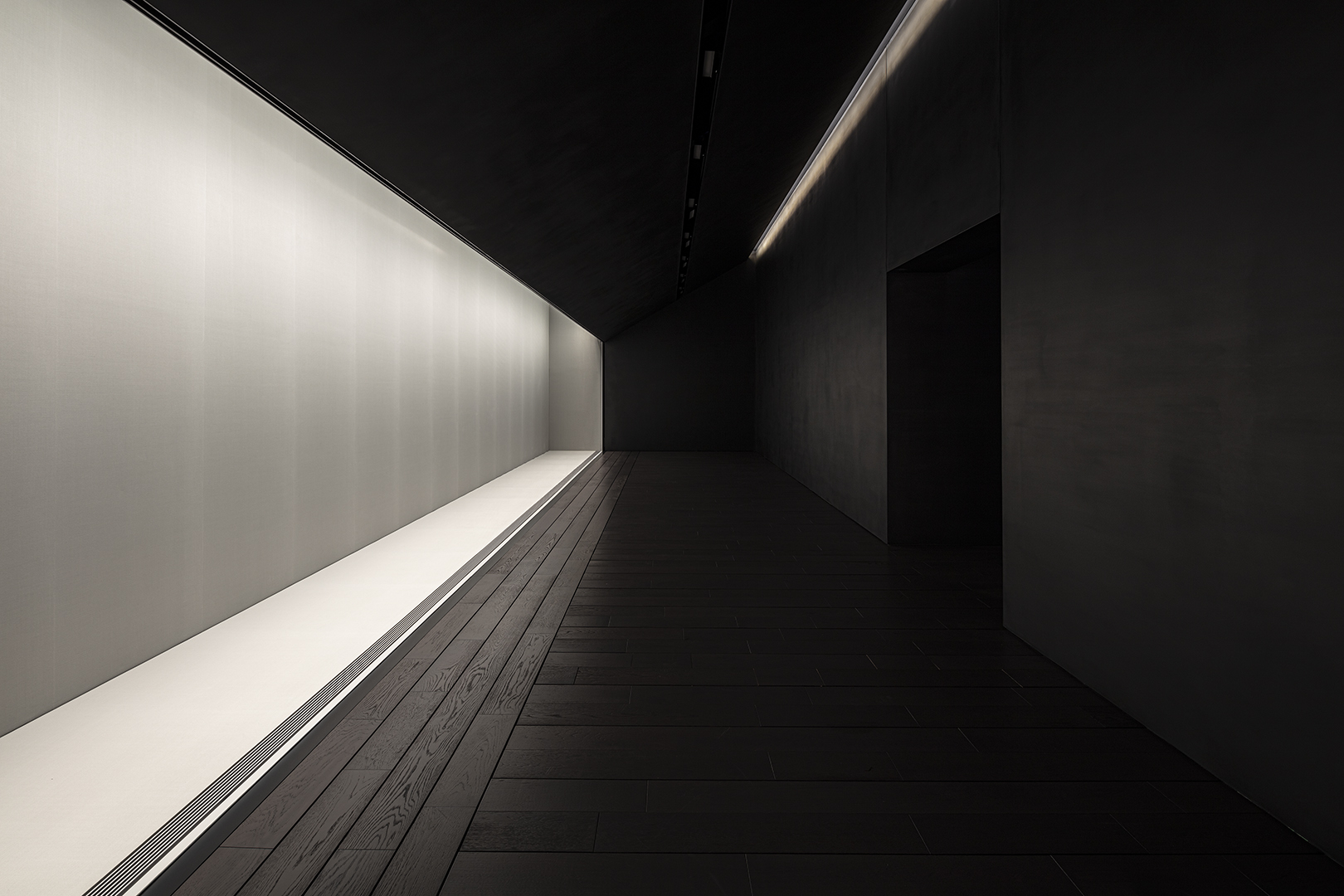
また、室内展示ケースのスクリーンであるため、現場内に施工の半年以上前に材料を先行搬入し、展示ケース周辺以外がほとんど仕上がった狭いスペースでこの巨大なスクリーンを施工する必要があり、施工の為の特殊治具を含めた展示スクリーン施工計画についても併せてご提案しました。
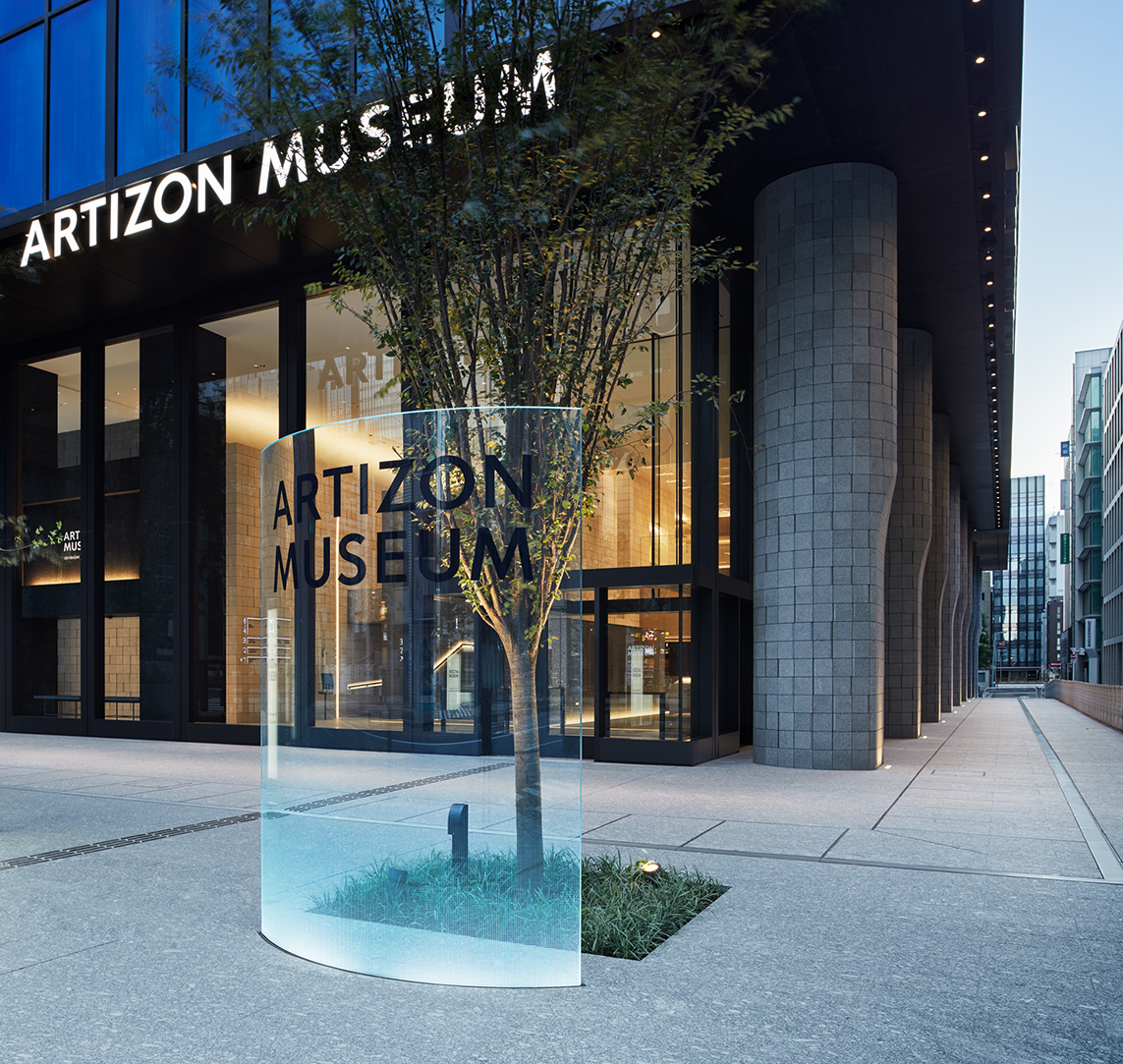
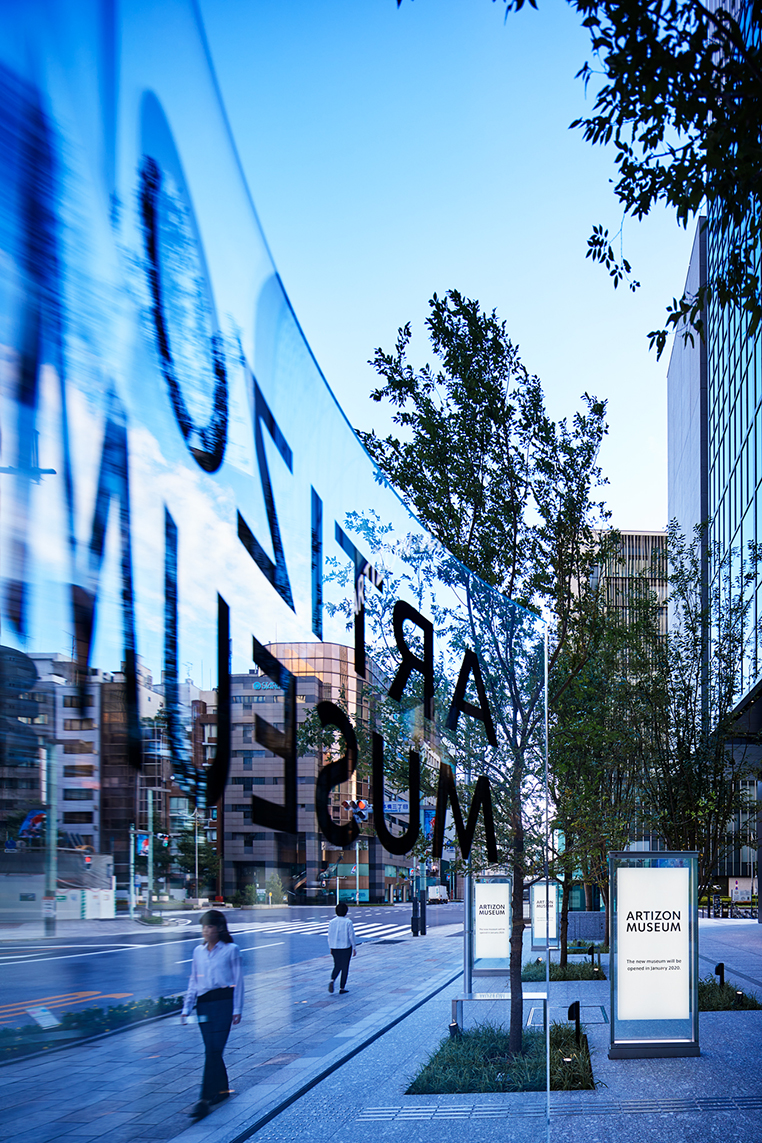
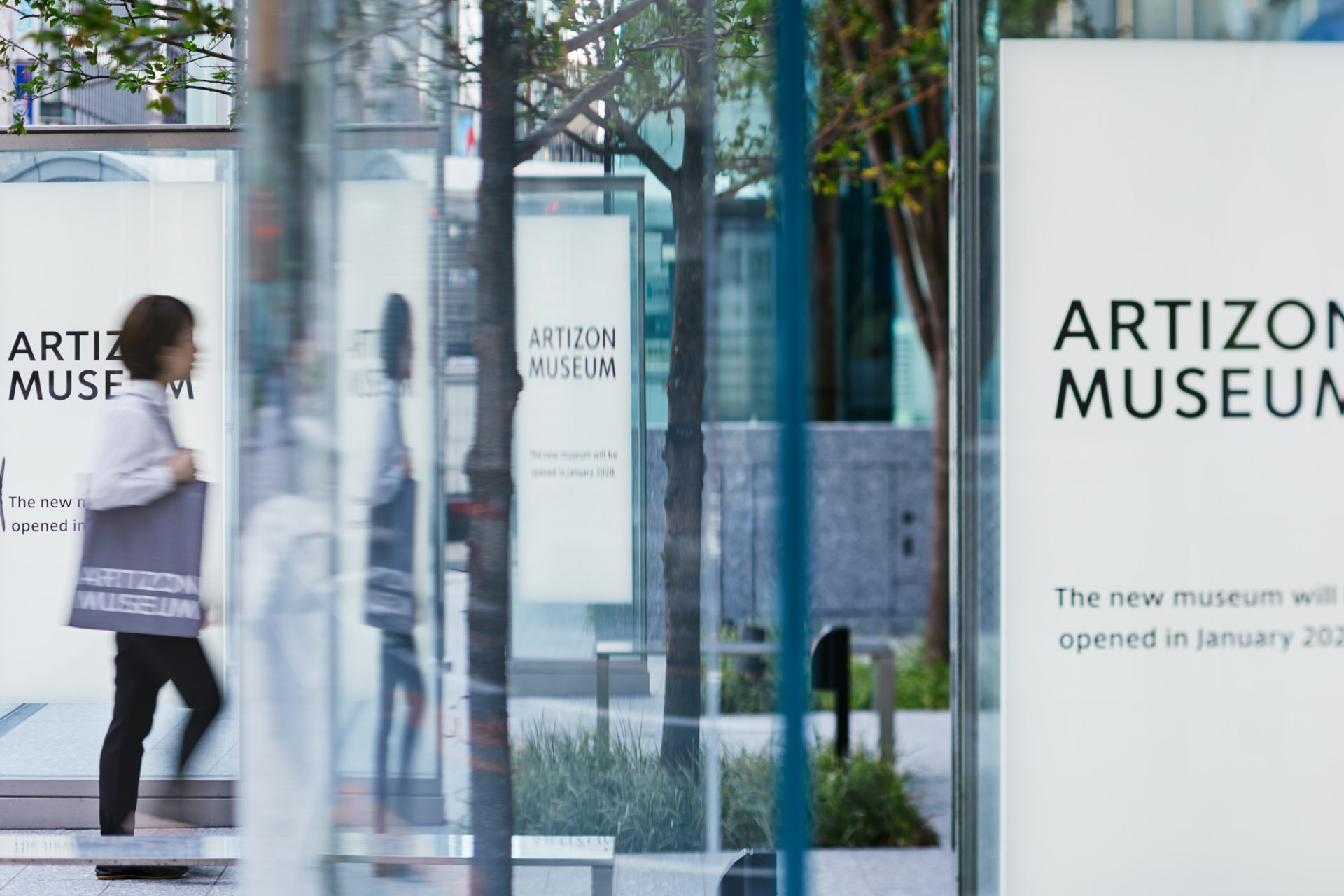
外部サインではガラスの剛性を活かした下部自立の高透過曲げ合わせガラスにLEDのエッジライトを組み込んだサインシステムの強度検討及び納まりを提案し採用されました。
We provided consulting services for the structural analysis and installation of the largest single-piece exhibition screen in Japan (15.236 m × 2.664 m, including frame), as well as for the exterior glass signage system.
The screen consisted of high-transparency laminated glass composed of clear tempered glass t8 mm + SGP interlayer 1.52 mm + clear tempered glass t8 mm. The glass was structurally bonded in the factory to the upper frame using structural silicone sealant. We carried out a detailed analysis of the glass support system, including the structural sealant behavior, while balancing the counterweights suspending the vertical side frames and the lifting mechanism supporting the center portion of the upper frame during opening and closing operations.
Because the exhibition screen was to be installed inside an interior display case, all materials had to be delivered to the site more than six months prior to installation. Furthermore, the installation had to be executed within a very limited space after most of the surrounding interior finishes had already been completed. In response to these constraints, we also proposed a comprehensive installation strategy for the large-scale exhibition screen, including the design of specialized installation jigs and handling equipment.
For the exterior signage system, we proposed and developed a freestanding curved laminated glass sign utilizing the inherent rigidity of the glass itself. The system incorporated LED edge lighting within high-transparency bent laminated glass, and our scope included structural verification as well as detailed design coordination for the installation system, which was subsequently adopted for the project.
高透過t8MM+SGP1.52MM+高透過t8MMを上部フレームに構造シール(工場)で接着し両端部縦フレームを吊り上げるバランスウエイトと上部フレーム中間部を引き上げる開閉装置とのバランスを取りながらストラクチャーシールを含むガラスの支持システムを解析しました。
また、室内展示ケースのスクリーンであるため、現場内に施工の半年以上前に材料を先行搬入し、展示ケース周辺以外がほとんど仕上がった狭いスペースでこの巨大なスクリーンを施工する必要があり、施工の為の特殊治具を含めた展示スクリーン施工計画についても併せてご提案しました。
外部サインではガラスの剛性を活かした下部自立の高透過曲げ合わせガラスにLEDのエッジライトを組み込んだサインシステムの強度検討及び納まりを提案し採用されました。
We provided consulting services for the structural analysis and installation of the largest single-piece exhibition screen in Japan (15.236 m × 2.664 m, including frame), as well as for the exterior glass signage system.
The screen consisted of high-transparency laminated glass composed of clear tempered glass t8 mm + SGP interlayer 1.52 mm + clear tempered glass t8 mm. The glass was structurally bonded in the factory to the upper frame using structural silicone sealant. We carried out a detailed analysis of the glass support system, including the structural sealant behavior, while balancing the counterweights suspending the vertical side frames and the lifting mechanism supporting the center portion of the upper frame during opening and closing operations.
Because the exhibition screen was to be installed inside an interior display case, all materials had to be delivered to the site more than six months prior to installation. Furthermore, the installation had to be executed within a very limited space after most of the surrounding interior finishes had already been completed. In response to these constraints, we also proposed a comprehensive installation strategy for the large-scale exhibition screen, including the design of specialized installation jigs and handling equipment.
For the exterior signage system, we proposed and developed a freestanding curved laminated glass sign utilizing the inherent rigidity of the glass itself. The system incorporated LED edge lighting within high-transparency bent laminated glass, and our scope included structural verification as well as detailed design coordination for the installation system, which was subsequently adopted for the project.